
Independent guidance for confident surgical decisions
Surgical Advisor
Home About Us
Blog Contact Us Get Surgical Guidance
Surgical Advisor Treatment

TURBT – Bladder Tumor Surgery

Uro Surgery

Looking for a TURBT Specialist in Mumbai?

A medical advisory service can help connect patients with experienced bladder cancer and uro-oncology specialists in Mumbai.

TURBT – Bladder Tumor Surgery

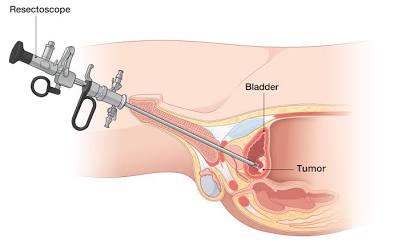
Transurethral Resection of Bladder Tumor (TURBT) is an endoscopic procedure used to diagnose and remove visible tumors from inside the bladder. It is commonly the first surgical step in evaluating suspected bladder cancer.

Need help understanding this treatment?

Discuss your questions with
our Mumbai advisory team.

Treatment Information

Understanding TURBT – Bladder Tumor Surgery

A resectoscope is inserted through the urethra into the bladder.

The tumor is removed and tissue is sent for pathology to determine:

  1. Tumor type
  2. Grade
  3. Depth of invasion

Further treatment depends on pathology findings.

BEFORE SURGERY

Pre-Care

Patients may undergo:

  1. Cystoscopy
  2. Urine tests
  3. CT imaging
  4. Blood tests
  5. Medication review


AFTER SURGERY

Post-Care

Patients should:

  1. Drink fluids as advised.
  2. Expect temporary blood in urine.
  3. Take medicines as prescribed.
  4. Attend pathology follow-up.
  5. Follow bladder surveillance schedules.

Seek care for heavy bleeding, inability to urinate, fever, or severe pain.

Common Questions

Questions patients
often want clarified.

These answers provide general guidance. Your treating specialist should assess your individual condition and medical requirements.

Is TURBT open surgery?
No. It is performed through the urethra.
Why is tissue sent for testing?
Pathology determines the type and depth of bladder tumor.
Can bladder tumors return?
Yes, recurrence is possible, so surveillance cystoscopy is often required.
Will I need further treatment?
Some patients require bladder medicines, repeat TURBT, or more extensive treatment.
What are the risks?
Possible risks include bleeding, infection, bladder perforation, and urinary discomfort.
Doctor discussing surgical treatment with patient
Independent Surgical Guidance

A clearer conversation
can change what comes next.

Understand the questions worth asking before your next consultation.