
Independent guidance for confident surgical decisions
Surgical Advisor
Home About Us
Blog Contact Us Get Surgical Guidance
Surgical Advisor Treatment

Radical Cystectomy

Uro Surgery

Looking for a Radical Cystectomy Specialist in Mumbai?

A medical advisory service can help connect patients with experienced uro-oncology and urinary reconstruction specialists in Mumbai.

Radical Cystectomy

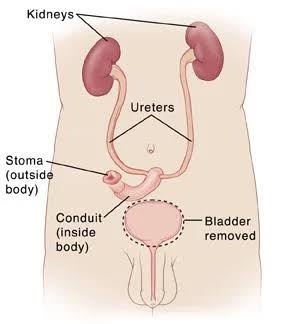
Radical cystectomy is major surgery to remove the bladder, most commonly for muscle-invasive or selected high-risk bladder cancers. After bladder removal, a new method of urinary drainage is created.

Need help understanding this treatment?

Discuss your questions with
our Mumbai advisory team.

Treatment Information

Understanding Radical Cystectomy

In men, surgery may also involve removal of nearby reproductive organs. In women, adjacent organs may be removed depending on cancer extent and surgical plan.

Urinary diversion options may include:

  1. Ileal conduit
  2. Neobladder
  3. Continent urinary reservoir

Surgery may be open or robotic-assisted.

BEFORE SURGERY

Pre-Care

Patients may need cancer staging, blood tests, heart and lung assessment, nutritional evaluation, and counselling about urinary diversion.

AFTER SURGERY

Post-Care

Patients should:

  1. Follow stoma or neobladder-care instructions.
  2. Maintain hydration.
  3. Gradually increase activity.
  4. Follow nutritional advice.
  5. Attend oncology follow-up.
  6. Monitor kidney function.
Common Questions

Questions patients
often want clarified.

These answers provide general guidance. Your treating specialist should assess your individual condition and medical requirements.

Why is radical cystectomy performed?
It is commonly performed for invasive or high-risk bladder cancer.
How will urine leave the body afterward?
A urinary diversion is created.
What is a neobladder?
A reservoir made from intestine that can allow urine to pass through the urethra in selected patients.
Is recovery long?
Yes. It is major surgery and recovery may take several weeks or months.
What are the risks?
Risks include infection, bleeding, bowel complications, blood clots, urinary leakage, kidney problems, and sexual dysfunction.
Doctor discussing surgical treatment with patient
Independent Surgical Guidance

A clearer conversation
can change what comes next.

Understand the questions worth asking before your next consultation.