
Independent guidance for confident surgical decisions
Surgical Advisor
Home About Us
Blog Contact Us Get Surgical Guidance
Surgical Advisor Treatment

Weight Loss / Bariatric Surgery

Plastic Surgery & Hair Transplant

Looking for Weight Loss / Bariatric Surgery in Mumbai?

Bariatric surgery is a surgical approach to significant weight management for eligible patients, helping reduce excess weight and improve obesity-related health conditions under specialist medical guidance.

Weight Loss / Bariatric Surgery

Weight loss surgery, also known as bariatric surgery or metabolic surgery, includes a group of surgical procedures designed to help people with obesity achieve significant and sustained weight loss. These procedures work by reducing the amount of food the stomach can hold, changing how food is digested, or influencing hormones involved in hunger and metabolism. Bariatric surgery may also help improve obesity-related health conditions such as type 2 diabetes, high blood pressure, sleep apnoea, and joint problems.

Need help understanding this treatment?

Discuss your questions with
our Mumbai advisory team.

Treatment Information

Understanding Weight Loss / Bariatric Surgery

Bariatric surgery is considered for people with obesity when lifestyle changes, dietary measures, exercise, and medical treatment have not produced sufficient or sustainable weight loss.

Obesity can increase the risk of several long-term health conditions, including:

  1. Type 2 diabetes
  2. High blood pressure
  3. High cholesterol
  4. Obstructive sleep apnoea
  5. Heart and vascular disease
  6. Fatty liver disease
  7. Joint pain and mobility problems
  8. Gastroesophageal reflux disease in some patients
  9. Fertility and menstrual problems in some individuals

Bariatric surgery is not simply a cosmetic procedure. It is a medical treatment for obesity and associated metabolic conditions.

Different bariatric procedures work in different ways.

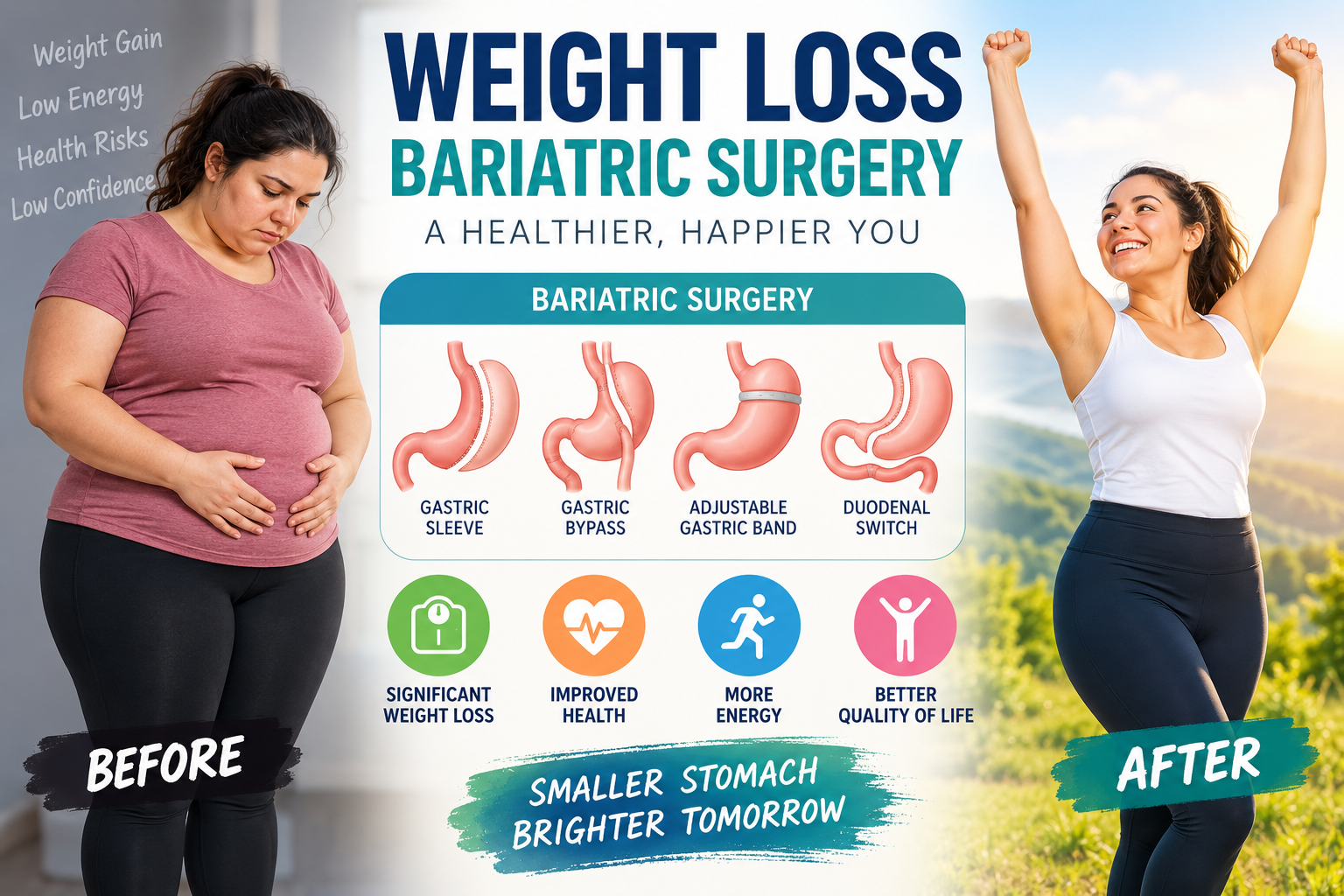
Sleeve Gastrectomy

In sleeve gastrectomy, a large portion of the stomach is removed, leaving a smaller, tube-shaped stomach.

This reduces the amount of food that can be eaten and may also affect hormones involved in hunger and appetite.

Gastric Bypass

In gastric bypass surgery, a small stomach pouch is created and connected to a lower section of the small intestine.

This reduces food intake and changes digestion and absorption. It also has significant effects on hormones related to appetite and blood sugar control.

Adjustable Gastric Band

A band is placed around the upper part of the stomach to create a smaller stomach pouch. This procedure is performed less commonly today in many centres compared with sleeve gastrectomy and gastric bypass.

Other Metabolic and Bariatric Procedures

Depending on the patient's condition, other procedures may be considered. The choice of surgery depends on factors such as body mass index, medical conditions, eating patterns, previous abdominal surgery, and the patient's overall health.

Bariatric surgery is usually performed using minimally invasive or laparoscopic techniques.

It is important to understand that surgery is only one part of the treatment. Long-term success also depends on dietary changes, physical activity, regular follow-up, and lifelong attention to nutritional health.

BEFORE SURGERY

Pre-Care

Preparation before bariatric surgery is important for both safety and long-term success.

Patients may be advised to:

  1. Undergo a complete medical evaluation.
  2. Have blood tests and other investigations as recommended.
  3. Meet with a dietitian or nutrition specialist.
  4. Inform the medical team about all medicines, vitamins, and supplements.
  5. Discuss blood-thinning medication with the surgeon.
  6. Do not stop prescribed medicines unless specifically instructed.
  7. Stop smoking and nicotine use before surgery if advised.
  8. Begin dietary changes before surgery.
  9. Follow a pre-operative low-calorie or liver-reduction diet if prescribed.
  10. Avoid alcohol for the period recommended by the surgical team.
  11. Follow fasting instructions before general anaesthesia.
  12. Discuss diabetes medicines and insulin adjustments if applicable.
AFTER SURGERY

Post-Care

After surgery, patients usually follow a structured recovery and nutrition plan.

Patients should:

  1. Follow the prescribed liquid diet during the initial stage.
  2. Gradually progress to pureed, soft, and then regular foods as directed.
  3. Eat small portions and chew food thoroughly.
  4. Eat slowly and stop when comfortably full.
  5. Avoid drinking large amounts of fluid with meals if advised.
  6. Drink adequate fluids throughout the day to prevent dehydration.
  7. Take prescribed vitamin and mineral supplements regularly.
  8. Take medications exactly as directed.
  9. Begin gentle walking soon after surgery as advised.
  10. Avoid heavy lifting and strenuous exercise until cleared by the surgeon.
  11. Attend regular follow-up appointments with the bariatric team.
  12. Have periodic blood tests to monitor vitamin and mineral levels.
  13. Follow the recommended physical activity plan.
  14. Avoid smoking and nicotine.
  15. Limit or avoid alcohol according to medical advice.
  16. Maintain long-term dietary and behavioural changes.

Patients should seek prompt medical attention if they experience severe or persistent abdominal pain, repeated vomiting, inability to drink fluids, high fever, increasing redness or discharge from wounds, rapid heartbeat, chest pain, shortness of breath, black or bloody stools, or significant swelling or pain in one leg.

Long-term follow-up is an important part of bariatric surgery. Patients may require ongoing support from a surgeon, physician, dietitian, and other healthcare professionals to monitor weight loss, nutrition, and overall health.

Pregnancy is usually postponed for a period after bariatric surgery while weight is changing rapidly. Patients planning pregnancy should discuss timing, contraception, and nutritional needs with their healthcare team.

Common Questions

Questions patients
often want clarified.

These answers provide general guidance. Your treating specialist should assess your individual condition and medical requirements.

Who may be considered for bariatric surgery?
Bariatric surgery may be considered for adults with obesity, particularly when excess weight is associated with significant health problems or when non-surgical weight-loss methods have not been successful. Eligibility depends on body mass index, medical history, and individual health assessment.
Is bariatric surgery only for weight loss?
No. In addition to weight loss, bariatric surgery can improve or help control obesity-related conditions such as type 2 diabetes, hypertension, sleep apnoea, and fatty liver disease in selected patients.
How much weight can I lose after bariatric surgery?
Weight loss varies depending on the procedure, starting weight, diet, physical activity, and individual response. The surgeon or bariatric team can provide a more personalised estimate.
Will I need to follow a special diet after surgery?
Yes. Patients usually progress from liquids to soft foods and then to regular textured foods over several weeks. Portion sizes remain smaller, and dietary habits need to change permanently.
Will I need vitamins after bariatric surgery?
Many patients require vitamin and mineral supplements after surgery. The exact supplements depend on the procedure and may include iron, vitamin B12, calcium, vitamin D, and other nutrients.
How long does recovery take?
Recovery depends on the procedure. Many patients can return to light activities within one to two weeks, although full recovery and return to strenuous activity may take several weeks.
Can weight return after bariatric surgery?
Some weight regain can occur over time. Long-term results are strongly influenced by diet, physical activity, follow-up care, and behavioural habits.
Can bariatric surgery improve diabetes?
Bariatric surgery can significantly improve blood sugar control in many people with type 2 diabetes, and some patients may achieve remission. However, results vary and continued medical monitoring remains important.
What are the possible risks of bariatric surgery?
Possible risks include bleeding, infection, blood clots, leakage from surgical connections, narrowing or blockage, nutritional deficiencies, gallstones, reflux symptoms, ulcers, and complications related to anaesthesia.
Doctor discussing surgical treatment with patient
Independent Surgical Guidance

A clearer conversation
can change what comes next.

Understand the questions worth asking before your next consultation.

Related Insights

Information that helps
you ask better questions.

View all insights