
Independent guidance for confident surgical decisions
Surgical Advisor
Home About Us
Blog Contact Us Get Surgical Guidance
Surgical Advisor Treatment

Spinal Fusion

Neuro Surgery

Looking for a Spinal Fusion Specialist in Mumbai?

A medical advisory service can help connect patients with experienced orthopaedic spine surgeons and neurosurgeons in Mumbai.

Spinal Fusion

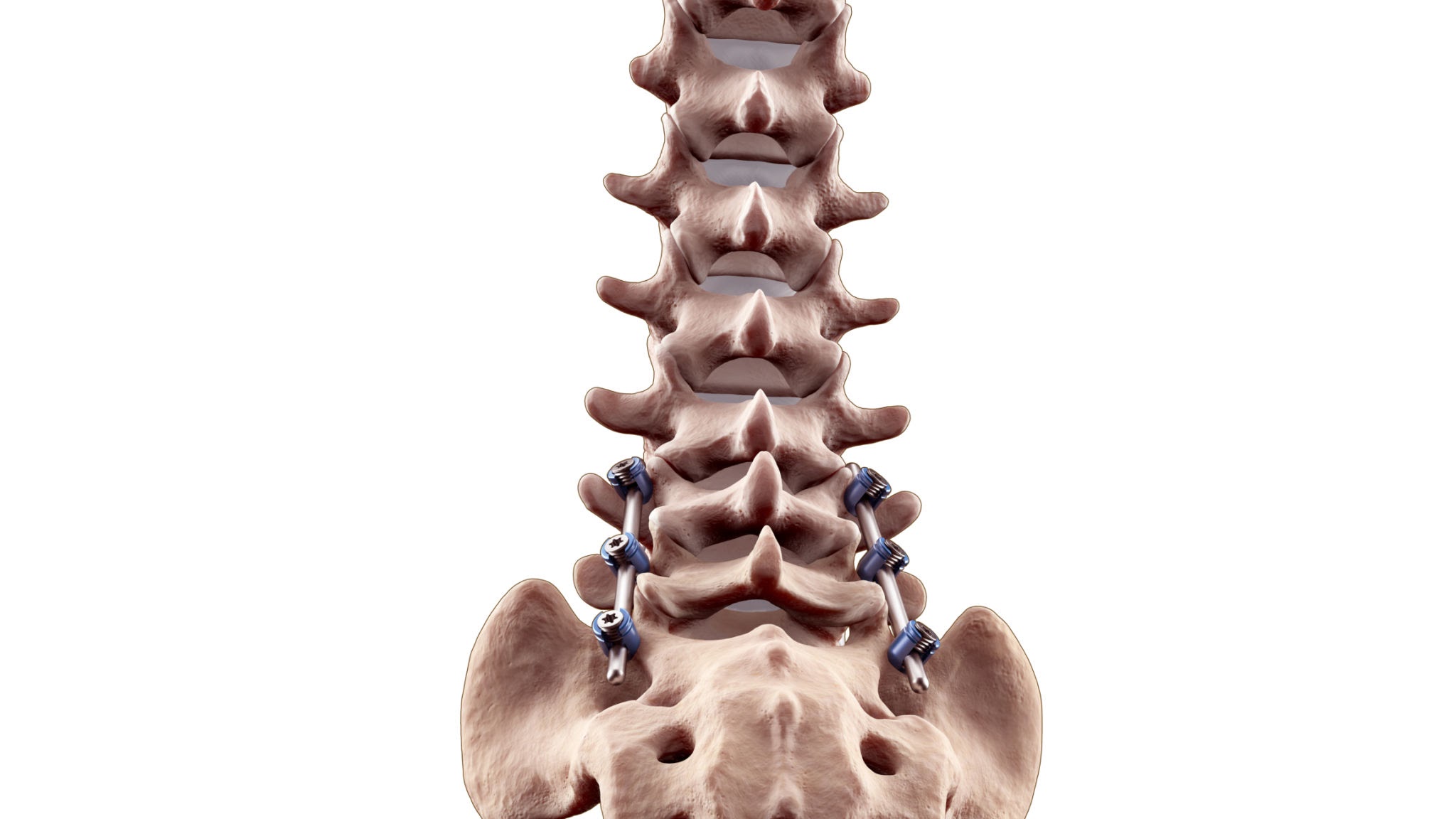
Spinal fusion is a procedure used to permanently join two or more vertebrae to stabilise the spine. It may be considered for spinal instability, spondylolisthesis, severe degenerative disease, deformity, fractures, or after certain decompression procedures.

Need help understanding this treatment?

Discuss your questions with
our Mumbai advisory team.

Treatment Information

Understanding Spinal Fusion

During spinal fusion, bone graft is placed between selected vertebrae.

Screws, rods, plates, or cages may be used to maintain alignment while the bones heal together.

Fusion may be performed in the:

  1. Cervical spine
  2. Thoracic spine
  3. Lumbar spine

Different surgical approaches may be used depending on the condition.

BEFORE SURGERY

Pre-Care

Patients may be advised to stop smoking, complete imaging and blood tests, discuss medications, and prepare for postoperative mobility restrictions.

AFTER SURGERY

Post-Care

Patients should avoid smoking, heavy lifting, excessive bending, and twisting while fusion heals.

Walking and rehabilitation should progress according to the surgeon's instructions.

Common Questions

Questions patients
often want clarified.

These answers provide general guidance. Your treating specialist should assess your individual condition and medical requirements.

Does spinal fusion stop movement?
Movement is eliminated at the fused segment, although other spinal levels continue to move.
How long does fusion take?
Bone healing may require several months.
. Is physiotherapy needed?
Yes, rehabilitation is often recommended.
Will implants remain permanently?
In most patients, spinal implants remain in place unless a specific problem develops.
What are the risks?
Possible risks include infection, nerve injury, non-union, implant problems, blood clots, and adjacent segment degeneration.
Doctor discussing surgical treatment with patient
Independent Surgical Guidance

A clearer conversation
can change what comes next.

Understand the questions worth asking before your next consultation.