
Independent guidance for confident surgical decisions
Surgical Advisor
Home About Us
Blog Contact Us Get Surgical Guidance
Surgical Advisor Treatment

Pituitary Tumor Surgery

Neuro Surgery

Looking for a Pituitary Tumor Specialist in Mumbai?

A medical advisory service can help connect patients with experienced pituitary neurosurgeons, endocrinologists, and multidisciplinary centres in Mumbai.

Pituitary Tumor Surgery

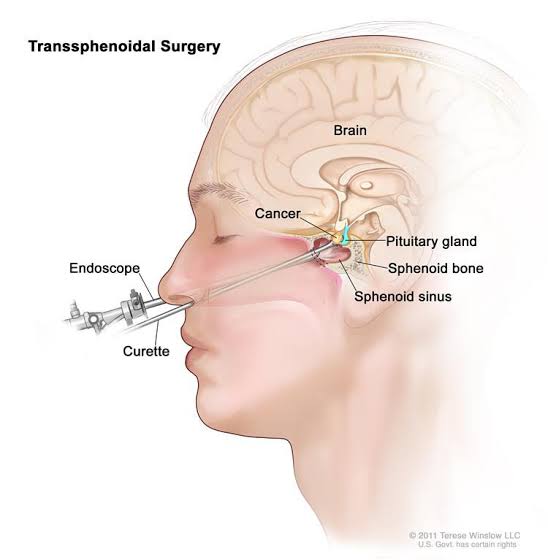
Pituitary tumor surgery is performed to remove tumors arising from the pituitary gland, a small hormone-producing gland located at the base of the brain. Many pituitary tumors can be removed through the nose using an endoscopic transsphenoidal approach without opening the skull.

Need help understanding this treatment?

Discuss your questions with
our Mumbai advisory team.

Treatment Information

Understanding Pituitary Tumor Surgery

Pituitary tumors can affect hormone production or place pressure on nearby structures, including the optic nerves.

Symptoms may include:

  1. Headaches
  2. Vision changes
  3. Menstrual irregularities
  4. Infertility
  5. Abnormal growth
  6. Unexplained weight changes
  7. Excessive thirst or urination
  8. Hormonal imbalance

Endoscopic Transsphenoidal Surgery

A thin endoscope is passed through the nose and sphenoid sinus to reach the pituitary gland.

The tumor is carefully removed while protecting surrounding structures.

Some large or unusually positioned tumors may require a different surgical approach.

Treatment usually involves coordination between:

  1. Neurosurgeons
  2. ENT surgeons in selected cases
  3. Endocrinologists
  4. Ophthalmologists


BEFORE SURGERY

Pre-Care

Patients may require:

  1. MRI
  2. Hormone testing
  3. Vision testing
  4. Endocrinology assessment
  5. Medication review
  6. Fasting before surgery


AFTER SURGERY

Post-Care

Patients should:

  1. Avoid forceful nose blowing.
  2. Take prescribed medicines.
  3. Attend endocrine follow-up.
  4. Monitor urine output and thirst.
  5. Avoid heavy lifting initially.
  6. Attend follow-up MRI scans.

Seek urgent care for clear watery nasal drainage, severe headache, fever, vision loss, confusion, or excessive thirst and urination.

Common Questions

Questions patients
often want clarified.

These answers provide general guidance. Your treating specialist should assess your individual condition and medical requirements.

Are all pituitary tumors cancerous?
No. Most pituitary tumors are benign.
Does every pituitary tumor require surgery?
No. Some can be monitored or treated with medicines.
Will surgery affect hormone levels?
Hormone levels may change after surgery and require monitoring or replacement therapy.
How long is recovery?
Initial recovery generally takes several weeks, although hormone monitoring may continue longer.
What are the risks?
Possible risks include bleeding, infection, cerebrospinal fluid leakage, hormonal problems, vision changes, and diabetes insipidus.
Doctor discussing surgical treatment with patient
Independent Surgical Guidance

A clearer conversation
can change what comes next.

Understand the questions worth asking before your next consultation.
