Independent guidance for confident surgical decisions
Surgical Advisor
Home About Us
Blog Contact Us Get Surgical Guidance
Surgical Advisor Treatment

Upper GI

Gastroenterology

Looking for an Upper GI Specialist in Mumbai?

Persistent reflux, swallowing difficulty, stomach pain, ulcers, gastrointestinal bleeding, or abnormal upper GI findings may require assessment by an experienced gastroenterologist or upper GI specialist. A medical advisory service can help you connect with experienced upper GI gastroenterologists and endoscopy specialists in Mumbai based on your symptoms, diagnosis, preferred location, and consultation requirements. A specialist evaluation can help determine whether medication, endoscopy, functional testing, imaging, or another treatment approach may be appropriate.

Upper GI

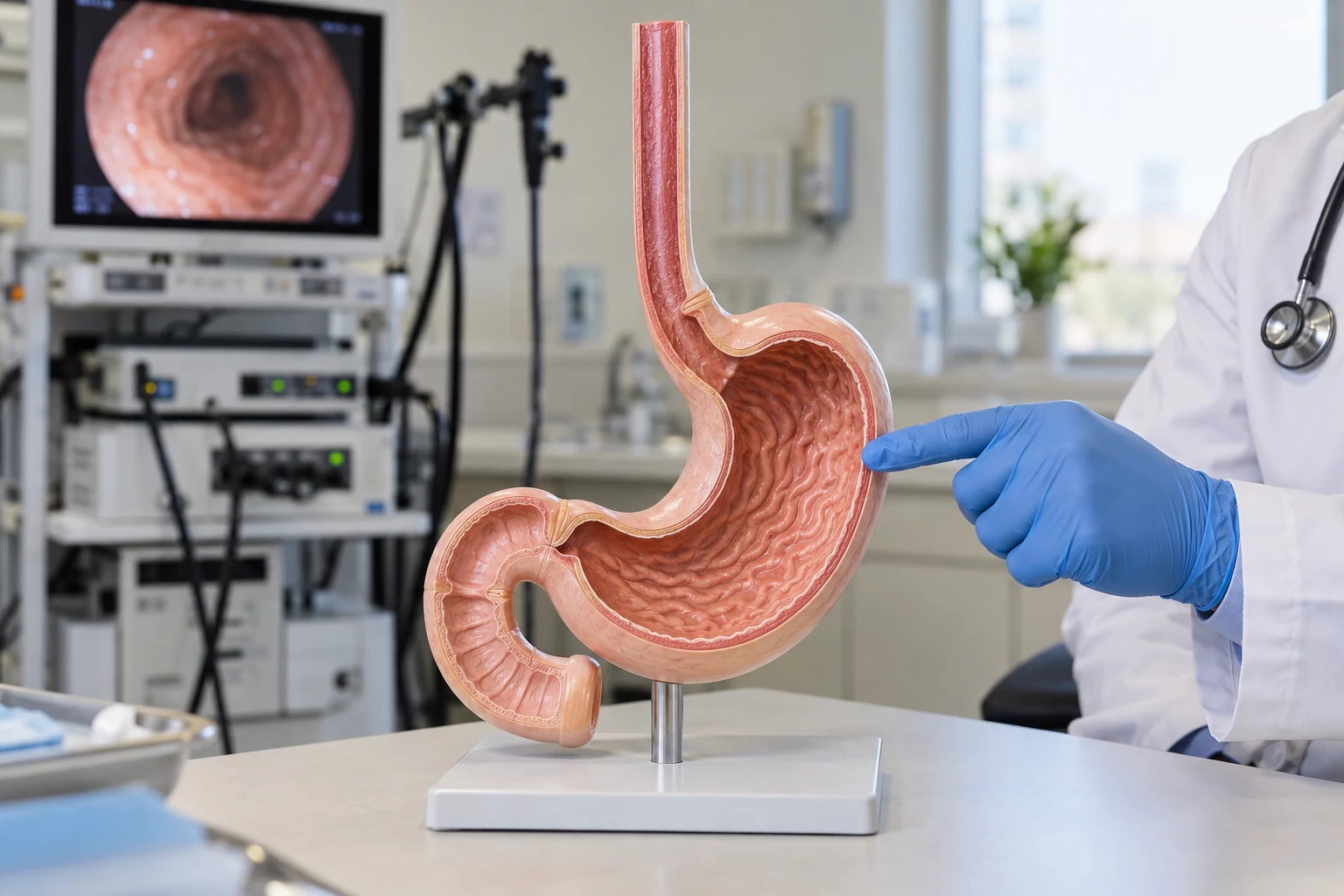
Upper GI care focuses on conditions affecting the esophagus, stomach, and first part of the small intestine. These organs are responsible for moving food, beginning digestion, and helping absorb nutrients. Upper GI disorders may cause symptoms such as heartburn, difficulty swallowing, upper abdominal pain, bloating, nausea, vomiting, early fullness, or gastrointestinal bleeding.

A gastroenterologist may use clinical evaluation, blood tests, imaging, endoscopy, and specialised functional tests to identify the cause and recommend appropriate treatment.

Need help understanding this treatment?

Discuss your questions with
our Mumbai advisory team.

Treatment Information

Understanding Upper GI

The upper gastrointestinal tract includes:

  1. Esophagus
  2. Stomach
  3. Duodenum, the first part of the small intestine

Conditions affecting this area may be related to acid reflux, inflammation, ulcers, infections, structural abnormalities, motility problems, or abnormal growths.

Common upper GI conditions include:

  1. Gastroesophageal reflux disease (GERD)
  2. Acid reflux
  3. Esophagitis
  4. Barrett's esophagus
  5. Hiatal hernia
  6. Achalasia
  7. Difficulty swallowing
  8. Gastritis
  9. Peptic ulcer disease
  10. H. pylori infection
  11. Functional dyspepsia
  12. Upper GI bleeding
  13. Gastric polyps
  14. Gastric outlet obstruction
  15. Esophageal or stomach tumours

GERD and Acid Reflux

GERD occurs when stomach contents repeatedly flow back into the esophagus.

Symptoms may include:

  1. Heartburn
  2. Regurgitation
  3. Sour taste
  4. Chest discomfort
  5. Chronic cough
  6. Throat irritation
  7. Difficulty swallowing

Treatment may include lifestyle changes, acid-suppressing medicines, and further testing when symptoms persist.

Peptic Ulcers

Peptic ulcers are open sores that develop in the lining of the stomach or duodenum.

Common causes include:

  1. H. pylori infection
  2. Long-term use of certain pain-relieving medicines
  3. Other medical conditions

Symptoms may include burning upper abdominal pain, nausea, bloating, or gastrointestinal bleeding.

Swallowing Disorders

Difficulty swallowing may be caused by inflammation, narrowing, motility disorders, or structural abnormalities.

Tests may include:

  1. Upper GI endoscopy
  2. Barium swallow
  3. Esophageal manometry
  4. Imaging

Upper GI Bleeding

Bleeding from the upper digestive tract may cause:

  1. Vomiting blood
  2. Black or tarry stools
  3. Weakness
  4. Dizziness
  5. Anaemia

This may require urgent assessment and endoscopic treatment.

Upper GI Endoscopy

Upper GI endoscopy allows direct examination of the esophagus, stomach, and duodenum using a flexible camera.

It can help diagnose:

  1. Reflux-related damage
  2. Ulcers
  3. Inflammation
  4. Narrowing
  5. Bleeding
  6. Polyps
  7. Tumours

Biopsies and certain treatments can also be performed during the procedure.

BEFORE SURGERY

Pre-Care

Patients may be advised to:

  1. Note when symptoms occur and whether food affects them.
  2. Bring a list of all medicines and supplements.
  3. Inform the doctor about blood-thinning medicines.
  4. Share previous endoscopy, imaging, or biopsy reports.
  5. Mention any family history of gastrointestinal disease or cancer.
  6. Follow fasting instructions before upper GI endoscopy.
  7. Inform the medical team about diabetes, heart disease, allergies, or pregnancy.
  8. Do not stop prescribed medicines unless specifically instructed.
AFTER SURGERY

Post-Care

After an upper GI procedure, patients should follow the specific instructions provided by their gastroenterologist.

General recommendations may include:

  1. Rest until sedation has worn off.
  2. Avoid driving after sedation until medically permitted.
  3. Resume food and fluids as instructed.
  4. Take prescribed medicines exactly as directed.
  5. Follow dietary and lifestyle advice for reflux, gastritis, or ulcers.
  6. Complete H. pylori treatment if prescribed.
  7. Attend follow-up appointments to review biopsy or pathology results.

Mild throat irritation or temporary bloating may occur after endoscopy.

Seek prompt medical attention if you experience severe chest or abdominal pain, persistent vomiting, fever, vomiting blood, black stools, or difficulty breathing after a procedure.

Common Questions

Questions patients
often want clarified.

These answers provide general guidance. Your treating specialist should assess your individual condition and medical requirements.

What is included in the upper GI tract?
The upper GI tract generally includes the esophagus, stomach, and duodenum.
What symptoms may suggest an upper GI problem?
Common symptoms include heartburn, upper abdominal pain, nausea, vomiting, bloating, swallowing difficulty, regurgitation, and black stools.
When should persistent acidity be investigated?
Medical evaluation is recommended when acidity is frequent, persistent, severe, or associated with swallowing difficulty, bleeding, vomiting, anaemia, or weight loss.
What is an upper GI endoscopy?
It is a procedure that uses a flexible camera to examine the esophagus, stomach, and duodenum.
Is endoscopy painful?
Most patients tolerate the procedure well with throat numbing medicine and/or sedation. Mild temporary throat discomfort or bloating may occur afterward.
Can ulcers cause internal bleeding?
Yes. Peptic ulcers can sometimes bleed and may cause vomiting of blood or black stools.
What is H. pylori?
H. pylori is a bacterium that can infect the stomach lining and is associated with gastritis and peptic ulcers.
Can difficulty swallowing be treated?
Yes. Treatment depends on the cause and may involve medicines, endoscopic dilation, treatment of reflux, or management of a motility disorder.
When is upper abdominal pain an emergency?
Severe sudden pain, vomiting blood, black stools, fainting, persistent vomiting, or severe weakness requires urgent medical attention.
Doctor discussing surgical treatment with patient
Independent Surgical Guidance

A clearer conversation
can change what comes next.

Understand the questions worth asking before your next consultation.