Independent guidance for confident surgical decisions
Surgical Advisor
Home About Us
Blog Contact Us Get Surgical Guidance
Surgical Advisor Treatment

Lower GI

Gastroenterology

Looking for a Lower GI Specialist in Mumbai?

Persistent bowel changes, rectal bleeding, inflammatory bowel disease, chronic constipation, diarrhoea, or abnormal colonoscopy findings may require assessment by an experienced gastroenterologist or colorectal specialist. A medical advisory service can help you connect with experienced lower GI gastroenterologists, colorectal specialists, and endoscopy experts in Mumbai based on your symptoms, diagnosis, preferred location, and consultation requirements. A specialist evaluation can help determine whether dietary treatment, medication, colonoscopy, imaging, or another treatment approach may be appropriate.

Lower GI

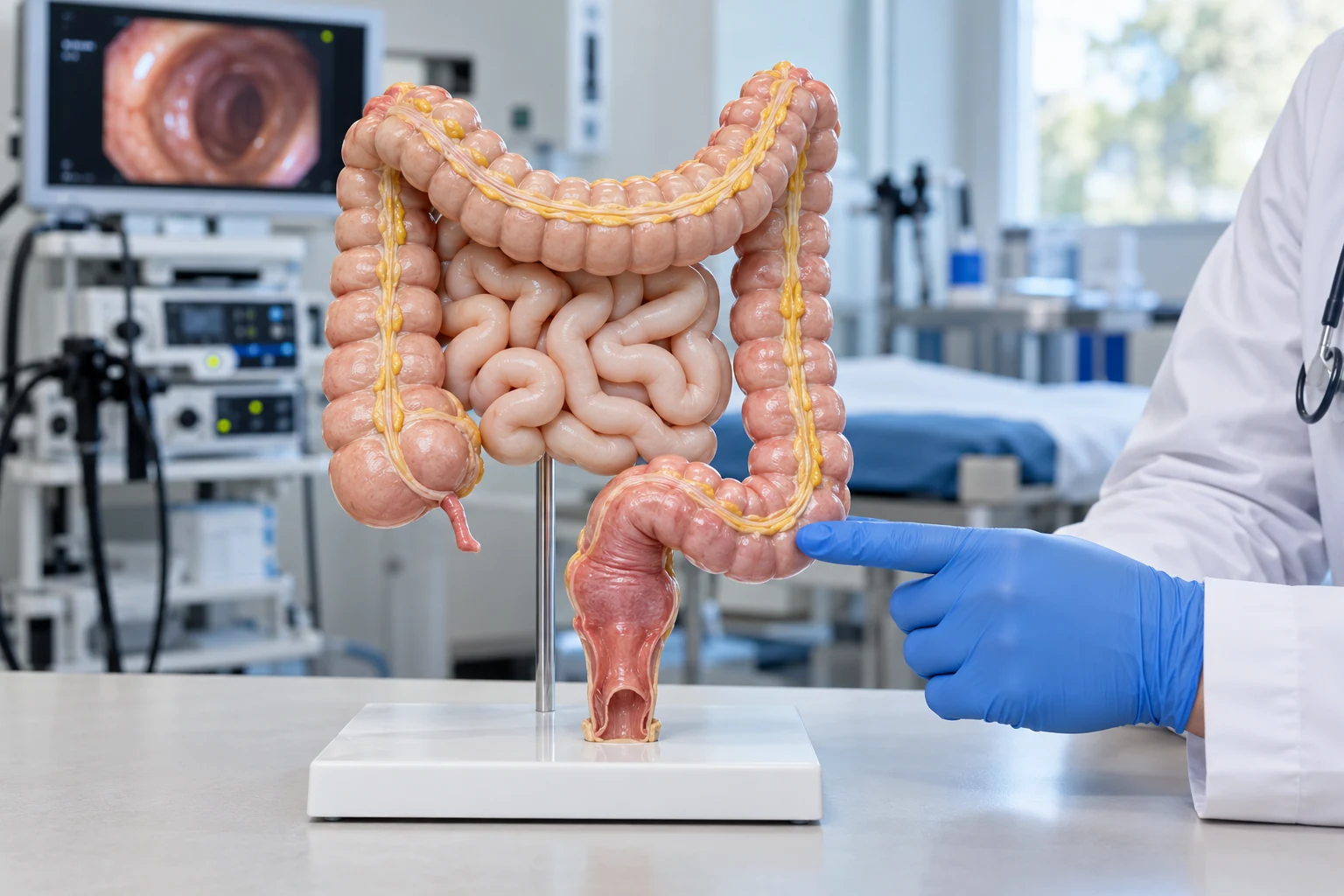
Lower GI care focuses on conditions affecting the colon, rectum, and anus. These parts of the digestive system are responsible for absorbing water, forming stool, and controlling bowel movements. Lower GI disorders may cause symptoms such as constipation, diarrhoea, abdominal pain, blood in stools, changes in bowel habits, rectal discomfort, or unexplained weight loss.

A gastroenterologist or colorectal specialist may use clinical evaluation, stool and blood tests, colonoscopy, imaging, and other investigations to identify the cause and recommend appropriate treatment.

Need help understanding this treatment?

Discuss your questions with
our Mumbai advisory team.

Treatment Information

Understanding Lower GI

The lower gastrointestinal tract mainly includes:

  1. Large intestine or colon
  2. Rectum
  3. Anal canal

Conditions affecting these areas may be inflammatory, structural, infectious, functional, or related to abnormal growths.

Common lower GI conditions include:

  1. Irritable bowel syndrome (IBS)
  2. Inflammatory bowel disease (IBD)
  3. Ulcerative colitis
  4. Crohn’s disease involving the colon
  5. Chronic constipation
  6. Chronic diarrhoea
  7. Diverticular disease
  8. Diverticulitis
  9. Colon polyps
  10. Colorectal cancer
  11. Lower GI bleeding
  12. Haemorrhoids
  13. Anal fissures
  14. Proctitis
  15. Functional bowel disorders

Irritable Bowel Syndrome

IBS is a common functional bowel disorder that may cause:

  1. Abdominal pain or cramping
  2. Bloating
  3. Constipation
  4. Diarrhoea
  5. Alternating constipation and diarrhoea
  6. Changes in stool frequency or consistency

IBS does not usually cause visible inflammation or damage to the bowel, but symptoms can significantly affect quality of life.

Inflammatory Bowel Disease

Inflammatory bowel disease includes conditions such as ulcerative colitis and Crohn’s disease.

Symptoms may include:

  1. Persistent diarrhoea
  2. Blood or mucus in stool
  3. Abdominal pain
  4. Fatigue
  5. Weight loss
  6. Urgency to pass stool

Treatment may include medicines, nutritional support, monitoring, and surgery in selected cases.

Diverticular Disease

Diverticula are small pouches that can develop in the wall of the colon.

When these pouches become inflamed or infected, the condition is called diverticulitis.

Symptoms may include:

  1. Lower abdominal pain
  2. Fever
  3. Constipation or diarrhoea
  4. Bloating
  5. Changes in bowel habits

Colon Polyps

Colon polyps are growths on the lining of the colon.

Many polyps are harmless, but some types can gradually develop into colorectal cancer.

Colonoscopy allows doctors to detect and often remove polyps during the same procedure.

Lower GI Bleeding

Lower gastrointestinal bleeding may appear as:

  1. Bright red blood in stool
  2. Dark red or maroon stool
  3. Blood on toilet paper
  4. Anaemia
  5. Weakness or dizziness

Possible causes include haemorrhoids, diverticular disease, inflammation, polyps, or other colorectal conditions.

Colonoscopy

Colonoscopy is an important investigation for evaluating the colon and rectum.

It may be recommended for:

  1. Blood in stools
  2. Persistent bowel habit changes
  3. Chronic diarrhoea
  4. Unexplained anaemia
  5. Abdominal pain
  6. Colorectal cancer screening
  7. Monitoring inflammatory bowel disease

During colonoscopy, biopsies can be taken and polyps may be removed when appropriate.

BEFORE SURGERY

Pre-Care

Patients may be advised to:

  1. Note changes in bowel frequency and stool appearance.
  2. Bring a complete list of medicines and supplements.
  3. Inform the doctor about blood-thinning medicines.
  4. Share previous colonoscopy, biopsy, imaging, or stool-test reports.
  5. Mention any family history of colorectal cancer, polyps, or inflammatory bowel disease.
  6. Inform the doctor about recent antibiotic use or gastrointestinal infections.
  7. Follow bowel-preparation instructions carefully if colonoscopy is planned.
  8. Inform the medical team about diabetes, kidney disease, heart disease, allergies, or pregnancy.
  9. Do not stop prescribed medicines unless specifically instructed.
AFTER SURGERY

Post-Care

After colonoscopy or another lower GI procedure, patients should follow the instructions provided by their gastroenterologist.

General recommendations may include:

  1. Rest until sedation has fully worn off.
  2. Avoid driving after sedation until medically permitted.
  3. Drink adequate fluids after bowel preparation.
  4. Resume food gradually according to instructions.
  5. Take prescribed medicines exactly as directed.
  6. Follow dietary recommendations for the diagnosed condition.
  7. Attend follow-up appointments to review biopsy or pathology results.
  8. Continue regular monitoring if polyps, IBD, or other chronic conditions are present.

Mild bloating, gas, or temporary changes in bowel movements may occur after colonoscopy.

Seek prompt medical attention if there is severe abdominal pain, high fever, persistent vomiting, heavy rectal bleeding, dizziness, or marked abdominal swelling after a procedure.

Common Questions

Questions patients
often want clarified.

These answers provide general guidance. Your treating specialist should assess your individual condition and medical requirements.

What does a hepatologist treat?
A hepatologist specialises in conditions affecting the liver, including fatty liver, hepatitis, cirrhosis, autoimmune liver disease, and complications related to chronic liver disease.
What does pancreatobiliary mean?
Pancreatobiliary refers to conditions involving the pancreas, gallbladder, and bile ducts.
What causes jaundice?
Jaundice can result from liver disease, bile duct obstruction, gallstones, pancreatic disease, blood disorders, or other medical conditions.
What tests are commonly used to evaluate liver disease?
Tests may include liver function tests, viral markers, ultrasound, CT, MRI, elastography, and sometimes liver biopsy.
What is MRCP?
MRCP is a specialised MRI technique used to obtain detailed images of the bile ducts and pancreatic ducts without inserting an endoscope into the ducts.
What is ERCP?
ERCP is an endoscopic procedure used to diagnose and treat selected bile duct and pancreatic duct problems, such as stones, strictures, or obstruction.
Is fatty liver serious?
Fatty liver can be mild in some people, but in others it may progress to inflammation, fibrosis, cirrhosis, or other complications. Regular assessment may be required.
Can chronic pancreatitis affect digestion?
Yes. Chronic pancreatitis can reduce digestive enzyme production and may lead to poor absorption, weight loss, or diabetes.
When is jaundice an emergency?
Jaundice associated with fever, severe abdominal pain, confusion, persistent vomiting, low blood pressure, or rapid deterioration requires urgent medical attention.
Doctor discussing surgical treatment with patient
Independent Surgical Guidance

A clearer conversation
can change what comes next.

Understand the questions worth asking before your next consultation.