Independent guidance for confident surgical decisions
Surgical Advisor
Home About Us
Blog Contact Us Get Surgical Guidance
Surgical Advisor Treatment

Hepatobiliary System & Pancreas

Gastroenterology

Looking for a Hepatobiliary or Pancreatic Specialist in Mumbai?

Conditions involving the liver, gallbladder, bile ducts, or pancreas may require coordinated evaluation by gastroenterologists, hepatologists, advanced endoscopists, or hepatobiliary surgeons. A medical advisory service can help you connect with experienced hepatobiliary and pancreatic specialists in Mumbai based on your diagnosis, symptoms, preferred location, and consultation requirements. A specialist assessment can help determine whether medication, imaging, endoscopy, ERCP, endoscopic ultrasound, surgery, or another treatment approach may be appropriate.

Hepatobiliary System & Pancreas

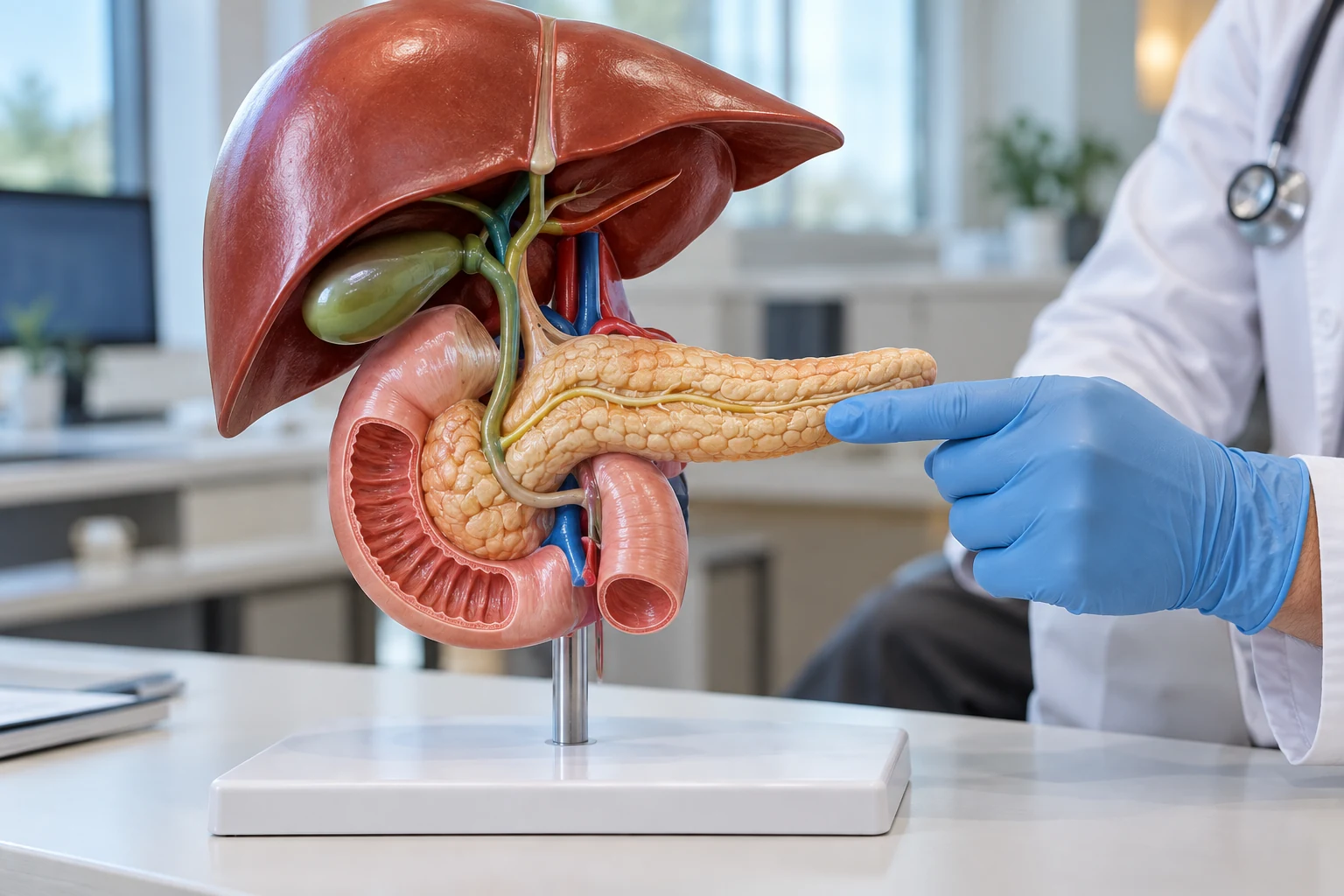
Hepatobiliary and pancreatic care focuses on conditions affecting the liver, gallbladder, bile ducts, and pancreas. These organs play important roles in digestion, metabolism, blood sugar regulation, and removal of waste products from the body.

Conditions in this area may cause symptoms such as upper abdominal pain, jaundice, nausea, vomiting, digestive problems, unexplained weight loss, fever, or abnormal liver function tests. Evaluation may involve blood tests, ultrasound, CT or MRI scans, endoscopy, and specialised procedures such as ERCP or endoscopic ultrasound.

Need help understanding this treatment?

Discuss your questions with
our Mumbai advisory team.

Treatment Information

Understanding Hepatobiliary System & Pancreas

The hepatobiliary system includes the liver, gallbladder, and bile ducts.

The pancreas produces digestive enzymes and hormones such as insulin that help regulate blood sugar.

Disorders affecting these organs can range from common conditions such as gallstones and fatty liver to more complex problems involving bile duct obstruction, pancreatitis, cysts, or tumours.

Common conditions include:

  1. Gallstones
  2. Gallbladder inflammation
  3. Bile duct stones
  4. Bile duct obstruction
  5. Cholangitis
  6. Fatty liver disease
  7. Hepatitis
  8. Cirrhosis
  9. Liver cysts or tumours
  10. Acute pancreatitis
  11. Chronic pancreatitis
  12. Pancreatic cysts
  13. Pancreatic duct disorders
  14. Pancreatic tumours
  15. Jaundice
  16. Abnormal liver function tests

Gallstones and Gallbladder Disease

Gallstones are hardened deposits that develop inside the gallbladder.

Some people have no symptoms, while others may experience:

  1. Pain in the upper right abdomen
  2. Pain after fatty meals
  3. Nausea or vomiting
  4. Pain radiating to the back or shoulder
  5. Fever if inflammation develops

Gallstones can sometimes move into the bile ducts and cause obstruction, infection, or pancreatitis.

Bile Duct Disorders

The bile ducts carry bile from the liver and gallbladder into the intestine.

Blockage may occur because of:

  1. Gallstones
  2. Narrowing or strictures
  3. Inflammation
  4. Tumours
  5. Previous surgery

Symptoms may include jaundice, dark urine, pale stools, itching, fever, or abdominal pain.

Liver Disorders

The liver performs many important functions including metabolism, detoxification, nutrient storage, and bile production.

Liver conditions may include:

  1. Fatty liver disease
  2. Viral hepatitis
  3. Alcohol-related liver disease
  4. Autoimmune liver disorders
  5. Cirrhosis
  6. Liver masses or tumours

Treatment depends on the underlying cause and severity.

Pancreatitis

Pancreatitis is inflammation of the pancreas.

Acute pancreatitis develops suddenly and may cause severe upper abdominal pain, nausea, and vomiting.

Chronic pancreatitis is long-term inflammation that can lead to persistent pain, digestive problems, weight loss, and diabetes.

Common causes include gallstones, alcohol use, certain metabolic conditions, medicines, or structural abnormalities.

Pancreatic Cysts and Tumours

Pancreatic cysts are fluid-filled lesions that may be discovered during imaging performed for another reason.

Some require only monitoring, while others may need further evaluation with MRI, endoscopic ultrasound, biopsy, or surgery.

BEFORE SURGERY

Pre-Care

Patients may be advised to:

  1. Bring previous liver function tests and blood reports.
  2. Carry ultrasound, CT, MRI, MRCP, or previous endoscopy reports.
  3. Inform the doctor about all medicines and supplements.
  4. Mention alcohol consumption and previous liver disease.
  5. Inform the doctor about diabetes, high cholesterol, or metabolic conditions.
  6. Provide details about previous gallbladder, liver, or pancreatic surgery.
  7. Follow fasting instructions if imaging, endoscopy, or ERCP is planned.
  8. Discuss blood-thinning medicines before invasive procedures.
  9. Do not stop prescribed medicines unless specifically instructed.
AFTER SURGERY

Post-Care

After procedures such as ERCP, endoscopic ultrasound, biopsy, or drainage, patients should follow the specific instructions provided by their treating specialist.

General recommendations may include:

  1. Rest until sedation has fully worn off.
  2. Avoid driving after sedation until medically permitted.
  3. Resume food and fluids according to medical advice.
  4. Take prescribed medicines exactly as directed.
  5. Avoid alcohol if advised.
  6. Follow dietary recommendations appropriate to the liver, gallbladder, or pancreas condition.
  7. Attend follow-up appointments to review biopsy or imaging results.
  8. Complete recommended blood tests and monitoring.

Seek prompt medical attention after a procedure if you develop severe abdominal pain, persistent vomiting, fever, jaundice, difficulty breathing, black stools, or significant bleeding.

Common Questions

Questions patients
often want clarified.

These answers provide general guidance. Your treating specialist should assess your individual condition and medical requirements.

What symptoms may indicate a gallbladder or bile duct problem?
Symptoms may include upper abdominal pain, nausea, vomiting, jaundice, fever, dark urine, pale stools, or pain after meals.
Do all gallstones require treatment?
No. Gallstones that do not cause symptoms may not require treatment. Symptomatic or complicated gallstones may require further medical or surgical management.
What causes jaundice?
Jaundice occurs when bilirubin builds up in the blood. Causes may include liver disease, bile duct obstruction, gallstones, pancreatic disease, or other medical conditions.
What is pancreatitis?
Pancreatitis is inflammation of the pancreas. It can develop suddenly or become a long-term condition.
Is pancreatitis serious?
It can range from mild to severe. Severe acute pancreatitis may require hospitalisation and close medical monitoring.
How are bile duct stones removed?
Bile duct stones are often treated using a specialised endoscopic procedure called ERCP, although the treatment depends on the individual case.
What is fatty liver disease?
Fatty liver disease occurs when excess fat accumulates in liver cells. It can be associated with obesity, diabetes, high cholesterol, alcohol use, or metabolic factors.
How are pancreatic cysts evaluated?
Evaluation may include CT, MRI, endoscopic ultrasound, blood tests, and sometimes fluid or tissue sampling.
When is jaundice an emergency?
Jaundice associated with fever, severe abdominal pain, confusion, vomiting, or rapid deterioration requires urgent medical evaluation.
Doctor discussing surgical treatment with patient
Independent Surgical Guidance

A clearer conversation
can change what comes next.

Understand the questions worth asking before your next consultation.
