Independent guidance for confident surgical decisions
Surgical Advisor
Home About Us
Blog Contact Us Get Surgical Guidance
Surgical Advisor Treatment

Functional Diagnostics

Gastroenterology

Looking for Functional Gastrointestinal Diagnostic Services in Mumbai?

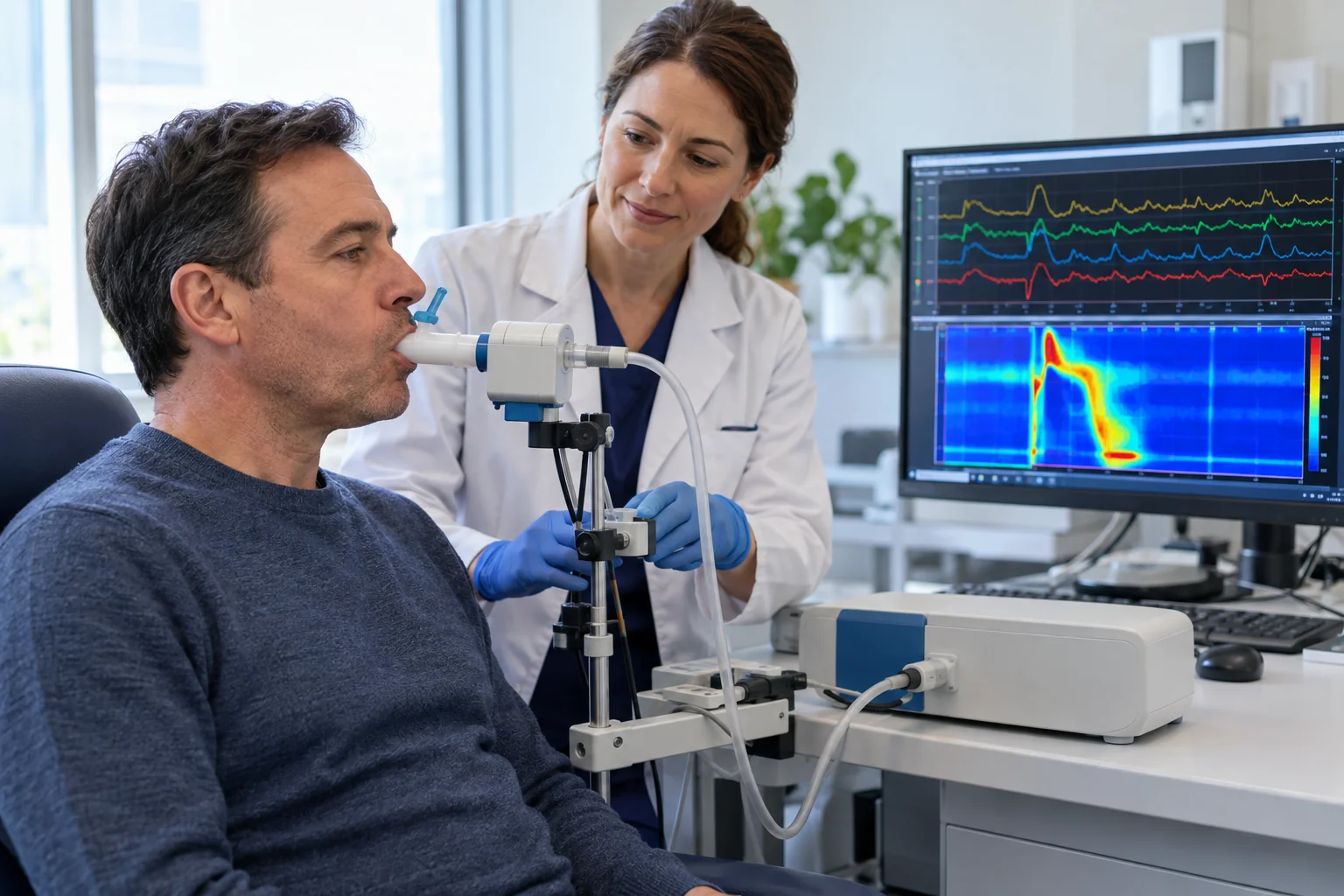
Persistent digestive symptoms sometimes require specialised testing beyond routine endoscopy and imaging. A medical advisory service can help you connect with experienced gastroenterologists, motility specialists, and diagnostic centres in Mumbai based on your symptoms, required test, preferred location, and consultation needs. A specialist can help determine whether esophageal manometry, pH monitoring, breath testing, anorectal manometry, gastric emptying studies, or another functional investigation may be appropriate.

Functional Diagnostics

Functional diagnostics in gastroenterology are specialised tests used to assess how well different parts of the digestive system are working. These investigations are especially useful when symptoms such as difficulty swallowing, persistent reflux, bloating, constipation, diarrhoea, or unexplained abdominal discomfort continue despite normal endoscopy or imaging results.

Functional tests help gastroenterologists evaluate motility, pressure, acid exposure, nerve activity, and digestive function so that treatment can be more accurately planned.

Need help understanding this treatment?

Discuss your questions with
our Mumbai advisory team.

Treatment Information

Understanding Functional Diagnostics

Many gastrointestinal symptoms are caused not by visible structural disease, but by problems in how the digestive tract moves or functions.

Functional diagnostic tests can help evaluate:

  1. Esophageal movement
  2. Swallowing function
  3. Acid reflux
  4. Gastric emptying
  5. Intestinal motility
  6. Pelvic floor function
  7. Bowel evacuation
  8. Digestive absorption
  9. Small intestinal bacterial overgrowth

These tests are commonly used when routine investigations do not fully explain a patient's symptoms.

Esophageal Manometry

Esophageal manometry measures pressure and muscle contractions in the esophagus.

It may be recommended for:

  1. Difficulty swallowing
  2. Chest discomfort not caused by the heart
  3. Suspected achalasia
  4. Esophageal motility disorders
  5. Evaluation before certain anti-reflux procedures

A thin catheter is passed through the nose into the esophagus to record muscle activity during swallowing.

24-Hour pH Monitoring

pH monitoring measures how often and how long stomach acid enters the esophagus.

It can help evaluate patients with:

  1. Persistent heartburn
  2. Regurgitation
  3. Chronic cough
  4. Throat symptoms
  5. Suspected reflux despite normal endoscopy

pH-Impedance Testing

pH-impedance monitoring can detect both acidic and non-acidic reflux.

This can be useful when symptoms continue despite acid-suppressing medication.

Gastric Emptying Studies

These tests measure how quickly food leaves the stomach.

They may be used when gastroparesis or delayed stomach emptying is suspected.

Symptoms may include:

  1. Early fullness
  2. Nausea
  3. Vomiting
  4. Bloating
  5. Upper abdominal discomfort

Breath Tests

Breath testing may be used to assess conditions such as:

  1. Lactose intolerance
  2. Fructose malabsorption
  3. Small intestinal bacterial overgrowth
  4. Certain carbohydrate digestion disorders

The test measures gases produced after consuming a specific test substance.

Anorectal Manometry

Anorectal manometry evaluates the muscles and nerves involved in bowel movements.

It may be recommended for:

  1. Chronic constipation
  2. Difficulty passing stool
  3. Faecal incontinence
  4. Pelvic floor dysfunction

Balloon Expulsion Testing

This test evaluates how effectively a patient can expel a small balloon from the rectum.

It may be used together with anorectal manometry to assess defecation disorders.

BEFORE SURGERY

Pre-Care

Preparation depends on the specific test.

Patients may be advised to:

  1. Follow fasting instructions carefully.
  2. Inform the doctor about all medicines and supplements.
  3. Discuss acid-suppressing medicines before reflux testing.
  4. Do not stop prescribed medicines unless specifically instructed.
  5. Avoid certain foods before breath testing if advised.
  6. Follow bowel preparation instructions for anorectal testing when required.
  7. Inform the medical team about previous gastrointestinal surgery.
  8. Bring previous endoscopy, imaging, or laboratory reports.
  9. Inform the doctor about diabetes or other conditions that may affect digestion.
AFTER SURGERY

Post-Care

Most functional tests require little recovery time.

Patients may generally:

  1. Resume normal activities after the test unless advised otherwise.
  2. Resume food and fluids according to instructions.
  3. Restart temporarily stopped medicines as directed.
  4. Keep a symptom diary if requested during monitoring.
  5. Return equipment used for ambulatory pH monitoring as instructed.
  6. Attend follow-up appointments to discuss test results.

Temporary throat irritation, bloating, or mild nasal discomfort may occur after some tests.

Seek medical advice if you experience severe or persistent pain, significant bleeding, difficulty swallowing, breathing problems, or other unexpected symptoms after testing.

Common Questions

Questions patients
often want clarified.

These answers provide general guidance. Your treating specialist should assess your individual condition and medical requirements.

What are functional gastrointestinal disorders?
These are conditions where digestive symptoms occur because of abnormal function or sensitivity, even when no major structural abnormality is seen on routine tests.
Why are functional tests needed if endoscopy is normal?
Endoscopy shows the structure of the digestive tract, while functional testing measures how muscles, nerves, pressure, movement, and reflux are working.
Is esophageal manometry painful?
The test may cause temporary discomfort or gagging while the catheter is inserted, but it is generally well tolerated.
What does a pH test measure?
It measures how often acid enters the esophagus and how long reflux episodes last.
What is the difference between pH monitoring and pH-impedance testing?
Standard pH monitoring mainly detects acid reflux, while pH-impedance testing can detect both acid and non-acid reflux.
What can breath tests diagnose?
Breath tests can help assess lactose intolerance, fructose malabsorption, and small intestinal bacterial overgrowth.
What is anorectal manometry used for?
It evaluates the muscles and nerves involved in bowel control and evacuation.
Are functional diagnostic tests safe?
These tests are generally considered safe, though mild discomfort, bloating, or temporary symptoms may occur depending on the investigation.
How long do functional tests take?
The duration depends on the test. Some take less than an hour, while others such as 24-hour reflux monitoring require longer recording periods.
Doctor discussing surgical treatment with patient
Independent Surgical Guidance

A clearer conversation
can change what comes next.

Understand the questions worth asking before your next consultation.