Independent guidance for confident surgical decisions
Surgical Advisor
Home About Us
Blog Contact Us Get Surgical Guidance
Surgical Advisor Treatment

Esophagus & Stomach

Gastroenterology

Looking for an Esophagus & Stomach Specialist in Mumbai?

Persistent reflux, swallowing difficulty, stomach pain, ulcers, or other upper digestive symptoms may require assessment by a gastroenterologist with experience in upper gastrointestinal disorders. A medical advisory service can help you connect with experienced gastroenterologists, upper GI specialists, and endoscopy specialists in Mumbai based on your symptoms, diagnosis, preferred location, and consultation requirements. A specialist consultation can help determine whether medicines, lifestyle changes, endoscopy, imaging, functional testing, or another treatment approach may be appropriate.

Esophagus & Stomach

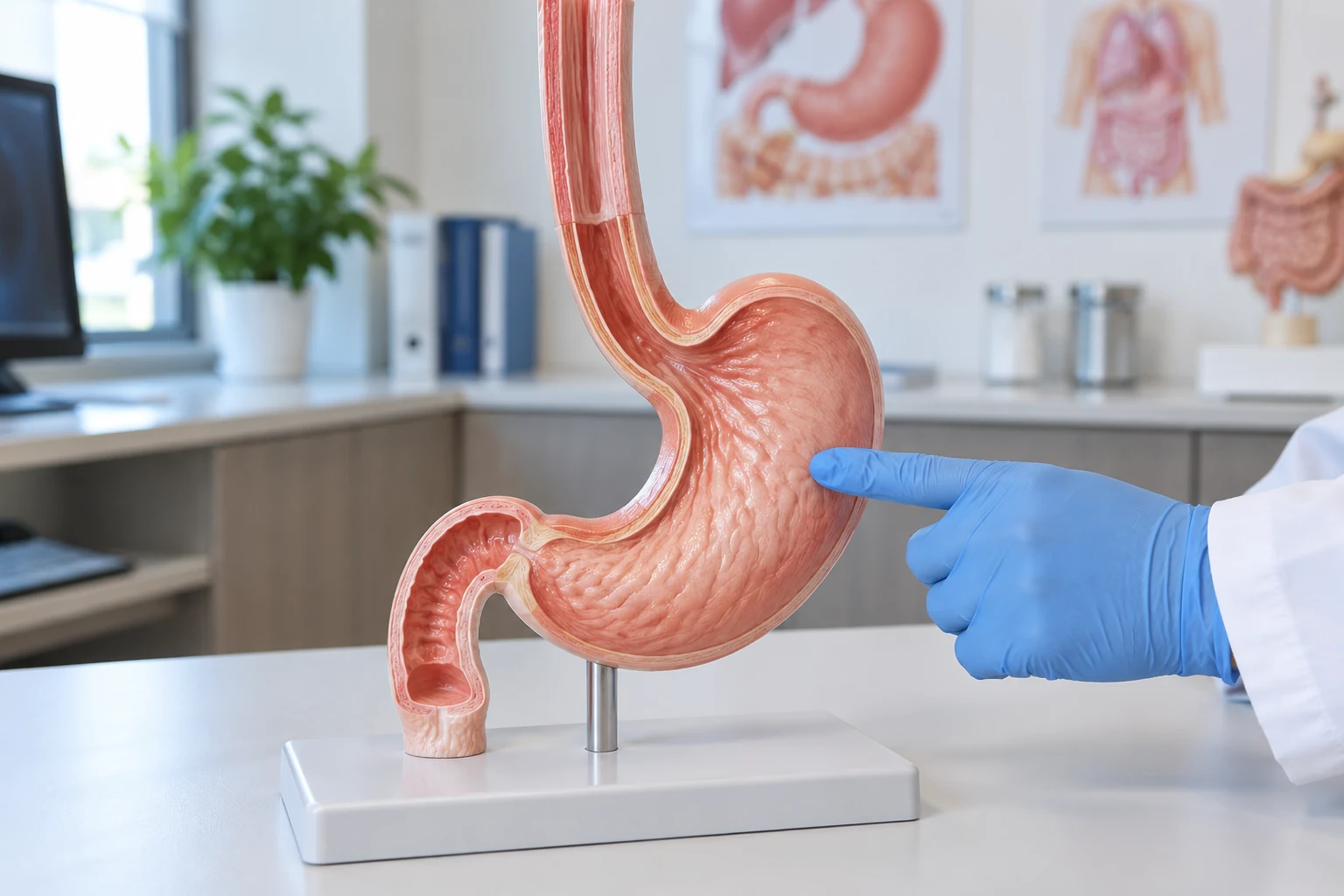
Esophagus and stomach care focuses on diagnosing and treating conditions affecting the upper part of the digestive system. The esophagus carries food from the mouth to the stomach, while the stomach helps digest and temporarily store food. Disorders affecting these organs can cause symptoms such as acidity, heartburn, swallowing difficulty, abdominal pain, nausea, vomiting, bloating, or unexplained weight loss.

A gastroenterologist may use clinical evaluation, endoscopy, imaging, laboratory tests, and specialised investigations to identify the cause and recommend appropriate treatment.

Need help understanding this treatment?

Discuss your questions with
our Mumbai advisory team.

Treatment Information

Understanding Esophagus & Stomach

The esophagus and stomach play important roles in digestion.

The esophagus is a muscular tube that moves food and liquids from the throat into the stomach.

The stomach stores food and mixes it with digestive acids and enzymes before passing it into the small intestine.

Problems affecting these organs may result from acid reflux, inflammation, infection, ulcers, structural abnormalities, abnormal movement, or growths.

Common esophageal and stomach conditions include:

  1. Gastroesophageal reflux disease (GERD)
  2. Acid reflux and persistent heartburn
  3. Esophagitis
  4. Barrett's esophagus
  5. Hiatal hernia
  6. Difficulty swallowing or dysphagia
  7. Achalasia and other esophageal motility disorders
  8. Peptic ulcer disease
  9. Gastritis
  10. Helicobacter pylori infection
  11. Stomach polyps
  12. Gastric outlet obstruction
  13. Upper gastrointestinal bleeding
  14. Esophageal or gastric tumours
  15. Functional dyspepsia
  16. Persistent nausea or vomiting

Gastroesophageal Reflux Disease (GERD)

GERD occurs when stomach contents repeatedly flow back into the esophagus.

Symptoms may include:

  1. Heartburn
  2. Sour or bitter taste in the mouth
  3. Chest discomfort
  4. Regurgitation
  5. Chronic cough
  6. Difficulty swallowing

Treatment may involve lifestyle changes, medicines, and further investigation when symptoms are persistent or complicated.

Gastritis and Peptic Ulcers

Gastritis refers to inflammation of the stomach lining.

Peptic ulcers are open sores that may develop in the stomach or the first part of the small intestine.

Common causes can include H. pylori infection, certain medicines such as NSAIDs, and other medical factors.

Swallowing Disorders

Difficulty swallowing may occur due to narrowing, inflammation, abnormal muscular movement, neurological conditions, or structural problems involving the esophagus.

Investigations may include endoscopy, barium studies, or esophageal manometry.

Upper GI Endoscopy

Upper gastrointestinal endoscopy, also called gastroscopy, allows a gastroenterologist to examine the esophagus, stomach, and first part of the small intestine using a flexible camera.

It may be recommended for symptoms such as:

  1. Persistent acidity
  2. Difficulty swallowing
  3. Unexplained upper abdominal pain
  4. Recurrent vomiting
  5. Gastrointestinal bleeding
  6. Anaemia
  7. Unexplained weight loss

During endoscopy, biopsies or certain treatments can also be performed when necessary.

BEFORE SURGERY

Pre-Care

Preparation depends on the symptoms and tests being planned.

Patients may be advised to:

  1. Provide details about current symptoms and how long they have been present.
  2. Bring a list of all medicines, vitamins, and supplements.
  3. Inform the doctor about blood-thinning medicines.
  4. Share any previous endoscopy, biopsy, imaging, or laboratory reports.
  5. Inform the doctor about previous gastrointestinal surgery.
  6. Mention any family history of gastrointestinal disease or cancer.
  7. Follow fasting instructions if an upper GI endoscopy is planned.
  8. Inform the medical team about diabetes, heart disease, allergies, or pregnancy.
  9. Do not stop prescribed medicines unless specifically instructed.
AFTER SURGERY

Post-Care

After an upper GI endoscopy or other procedure, patients should follow the specific instructions provided by their gastroenterologist.

General recommendations may include:

  1. Rest until the effects of sedation have worn off.
  2. Avoid driving or operating machinery after sedation until medically permitted.
  3. Resume eating and drinking according to the doctor's instructions.
  4. Take prescribed medicines exactly as directed.
  5. Follow dietary or lifestyle recommendations for reflux, gastritis, or ulcers.
  6. Avoid medicines that irritate the stomach if specifically advised.
  7. Attend follow-up appointments to review biopsy or test results.
  8. Complete H. pylori treatment when prescribed.

After endoscopy, mild throat discomfort or temporary bloating may occur.

Seek prompt medical attention if you develop severe chest or abdominal pain, persistent vomiting, fever, difficulty breathing, vomiting blood, or black stools after a procedure.

Common Questions

Questions patients
often want clarified.

These answers provide general guidance. Your treating specialist should assess your individual condition and medical requirements.

What symptoms may indicate an esophagus or stomach problem?
Common symptoms include persistent acidity, heartburn, upper abdominal pain, bloating, nausea, vomiting, difficulty swallowing, regurgitation, early fullness, or unexplained weight loss.
When should persistent acidity be evaluated by a doctor?
Medical evaluation is recommended when acidity occurs frequently, does not improve with simple treatment, interferes with daily life, or is associated with swallowing difficulty, bleeding, anaemia, vomiting, or weight loss
What is GERD?
GERD is a condition in which stomach contents repeatedly flow backward into the esophagus, causing symptoms such as heartburn and regurgitation.
What causes stomach ulcers?
Common causes include H. pylori infection and regular use of certain pain-relieving medicines such as NSAIDs. Other medical conditions may also contribute.
Is upper GI endoscopy painful?
Endoscopy is generally performed with throat numbing medicine and/or sedation. Patients may experience mild temporary discomfort or bloating afterward.
Why is a biopsy taken during endoscopy?
A small tissue sample may be taken to evaluate inflammation, infection, abnormal cells, or other changes. Taking a biopsy usually does not cause the patient to feel pain.
Can difficulty swallowing be serious?
Difficulty swallowing can have several causes, ranging from reflux-related inflammation to narrowing or motility problems. Persistent or worsening swallowing difficulty should be assessed by a gastroenterologist.
Can stomach problems cause chest discomfort?
Yes. Acid reflux and certain esophageal conditions can cause chest discomfort. However, chest pain may also be related to the heart or other serious conditions, so new or severe chest pain requires prompt medical evaluation.
When should gastrointestinal bleeding be treated as urgent?
Vomiting blood, passing black tarry stools, dizziness, fainting, or significant weakness may indicate gastrointestinal bleeding and requires urgent medical attention.
Doctor discussing surgical treatment with patient
Independent Surgical Guidance

A clearer conversation
can change what comes next.

Understand the questions worth asking before your next consultation.