
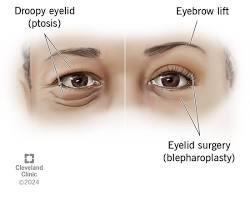
Oculoplasty, also known as ophthalmic plastic and reconstructive surgery, is a specialised branch of eye care that deals with conditions affecting the eyelids, tear ducts, eye socket, and surrounding facial structures. Oculoplasty procedures may be performed for functional, reconstructive, or cosmetic reasons, depending on the patient's condition and treatment goals.
Oculoplasty surgery focuses on the structures around the eye rather than the eye itself. These procedures are generally performed by ophthalmologists who have specialised training in eyelid, tear duct, orbital, and facial surgery.
Oculoplasty may be recommended for conditions such as:
- Drooping eyelids, also known as ptosis
- Eyelids turning inward or outward
- Eyelid injuries or deformities
- Blocked tear ducts and excessive watering
- Eyelid cysts or growths
- Tumours involving the eyelids or eye socket
- Thyroid-related eye disease
- Orbital fractures or trauma
- Bulging or displaced eyes
- Excess skin or fat around the eyelids
- Facial nerve-related eyelid problems
- Congenital abnormalities around the eyes
The exact surgical technique depends on the condition being treated.
Eyelid Surgery
Eyelid surgery may be performed to correct drooping eyelids, abnormal eyelid position, excess skin, or functional problems that interfere with vision.
Tear Duct Surgery
Patients with blocked tear drainage pathways may undergo procedures to restore proper tear flow and reduce persistent watering or recurrent infections.
Orbital Surgery
Orbital surgery involves the eye socket and may be required for tumours, injuries, thyroid eye disease, infections, or other structural problems.
Reconstructive Surgery
Oculoplastic surgeons may reconstruct the eyelids and surrounding tissues after trauma, tumour removal, or congenital abnormalities.
Cosmetic Oculoplasty
Some procedures are performed to improve the appearance of the eyelids and surrounding facial area. These treatments may include removal or repositioning of excess eyelid skin and fat.
Oculoplasty procedures may be performed under local anaesthesia, sedation, or general anaesthesia depending on the complexity of the surgery and the patient's needs.
Recovery varies according to the type of procedure. Swelling, bruising, mild discomfort, or temporary changes in appearance are common during the early healing period.
